
Sourdough Bread Recipe

Sourdough bread is one of the oldest types of bread in the world, baked by people for thousands of years, long before store-bought yeast existed. Instead of using packaged yeast, sourdough rises with a natural mixture called a sourdough starter. This starter is simply made from flour and water that ferment over time. As it develops, natural yeast and beneficial bacteria grow in the mixture, helping the bread rise while giving it its unique tangy flavor and slightly chewy texture.
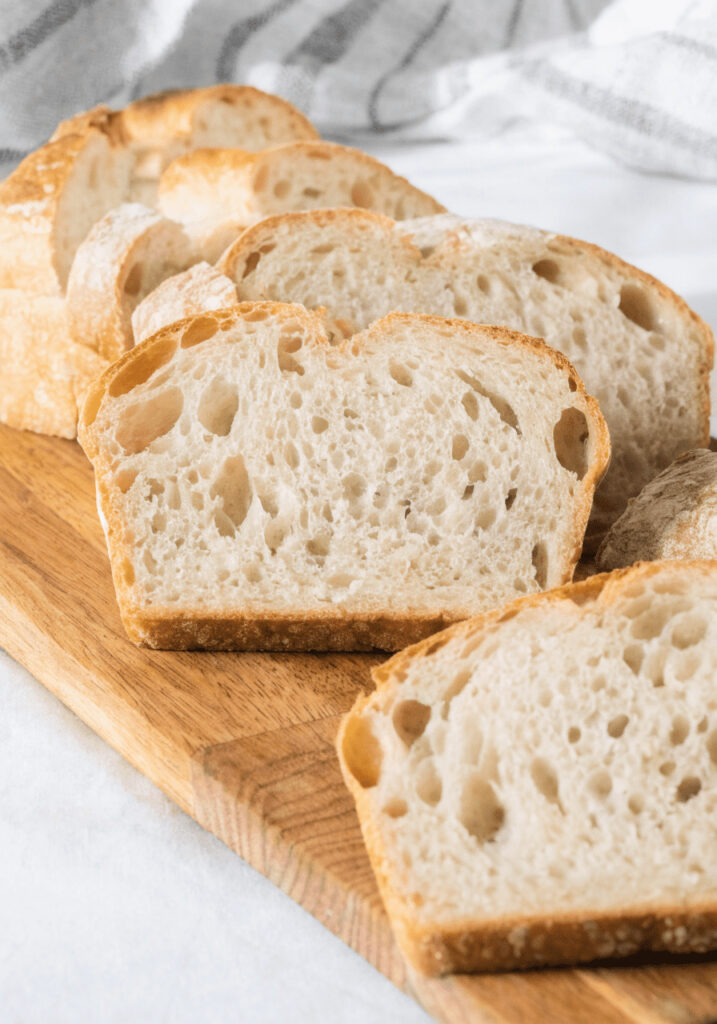
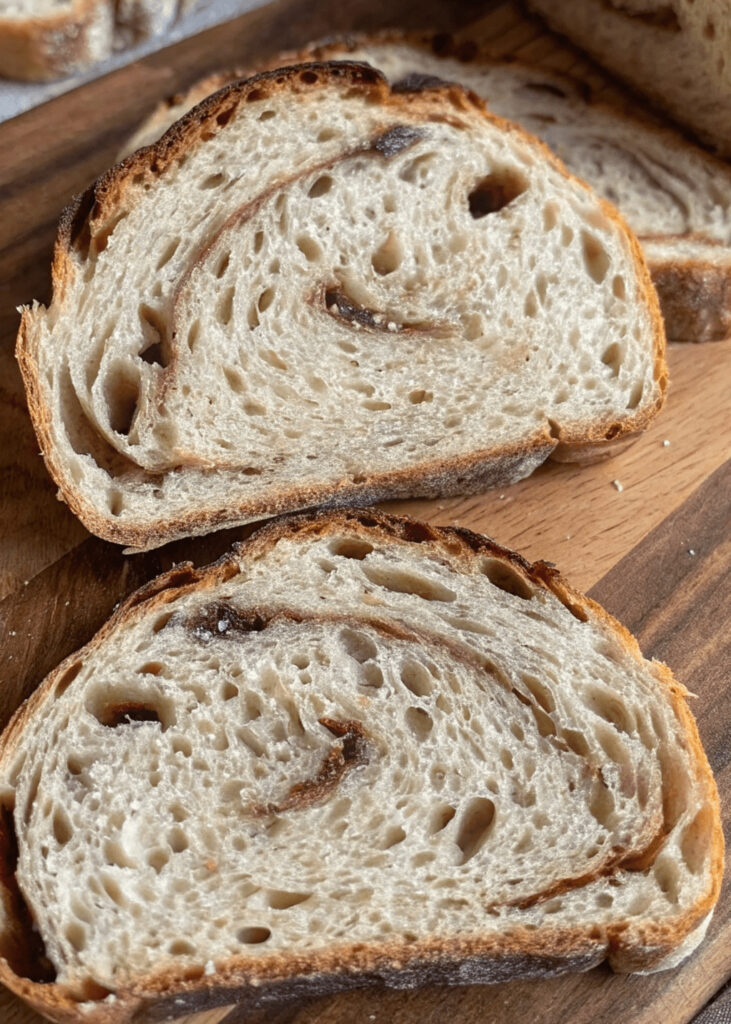
Sourdough bread is famous for its slightly tangy taste, chewy texture, and crispy crust. The inside of the bread usually has little holes called “crumb,” which makes it soft and airy. Many people love sourdough not only for its flavor but also because it can be easier to digest than regular bread. Making sourdough bread may take a little more time, but the process is fun and rewarding. Even kids can help mix the dough and watch the bread grow!
Why You Should Try the Sourdough Bread Recipe
If you enjoy baking, the Sourdough Bread Recipe is a wonderful recipe to try at home. It teaches patience and simple baking skills while creating something delicious. The ingredients are basic, and the process can feel like a science experiment as the dough slowly rises and changes shape.
Another reason to try sourdough bread is that homemade bread tastes much fresher than store-bought bread. When you bake it yourself, your kitchen fills with a warm, comforting smell. You also control the ingredients, meaning no unnecessary preservatives or additives. Whether you eat it for breakfast, lunch, or dinner, sourdough bread makes any meal better.
Table of Contents
Ingredients for Sourdough Bread Recipe
Here’s everything you’ll need to Sourdough Bread Recipe:
- 1 cup active sourdough starter
- 3 cups bread flour
- 1 ¼ cups warm water
- 1 ½ teaspoons salt
Optional ingredients:
- Extra flour for dusting
- Cornmeal or parchment paper for baking
- Olive oil for greasing bowl
How to Make Sourdough Bread Recipe
Step One
In a large mixing bowl, combine the active sourdough starter with warm water and gently stir them together until the mixture becomes slightly cloudy and well blended, then slowly add the bread flour and salt while mixing with a wooden spoon or your hands until a sticky dough forms and all the flour is fully incorporated.
Step Two
Once the dough has come together, cover the bowl with a clean kitchen towel and allow the dough to rest for about 30 minutes, which helps the flour absorb the liquid and allows the gluten to start forming naturally, making the dough easier to handle later.

Step Three
After the resting time, begin the stretch-and-fold process by gently lifting one side of the dough and folding it toward the center, then rotating the bowl and repeating the same motion several times to help strengthen the dough without traditional kneading, and repeat this process two to three times over the next hour with short resting periods between each round.
Step Four
When the dough has become smoother and more elastic, cover the bowl again and allow the dough to rise at room temperature for about 4 to 6 hours, during which time the natural yeast in the sourdough starter will slowly ferment the dough, causing it to expand, develop bubbles, and build its signature tangy flavor.
Step Five
Lightly flour a clean surface and gently place the dough onto it, then carefully shape it into a round loaf by folding the edges toward the center and turning it over so the smooth side faces up, after which you should place the shaped dough into a floured bowl or proofing basket and allow it to rise again for about 1 to 2 hours while the oven preheats to 450°F (230°C).
Step Six
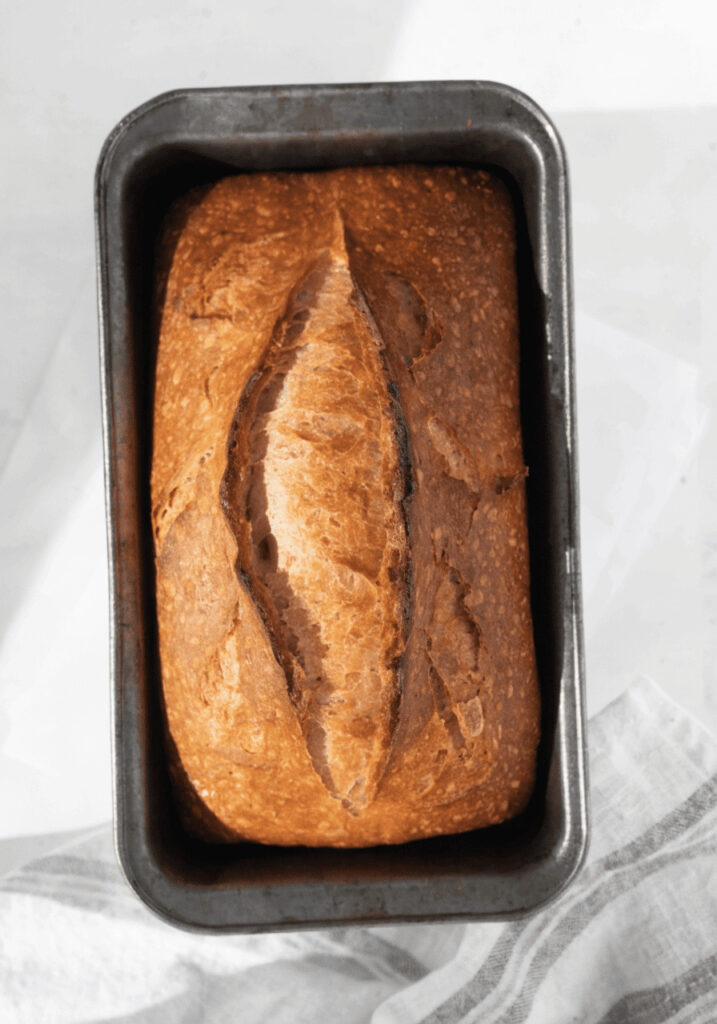
Carefully transfer the risen dough into a preheated Dutch oven or baking dish, score the top with a sharp knife to allow expansion during baking, then bake the bread covered for 20 minutes before removing the lid and continuing to bake for another 20–25 minutes until the crust becomes deep golden brown, and finally place the loaf on a cooling rack and allow it to cool completely before slicing.
Kitchen Equipment Needed :
To make this Recipe, you’ll need:
- Large mixing bowl
- Wooden spoon or dough scraper
- Measuring cups and spoons
- Clean kitchen towel
- Baking sheet or Dutch oven
- Sharp knife or bread lame
- Cooling rack
Optional but helpful:
- Proofing basket
- Kitchen scale
- Parchment paper
Tips for Making Sourdough Bread Recipe
If the dough feels too sticky, add a small amount of flour.
Let the dough rise in a warm place for better fermentation.
Do not rush the rising time; slow fermentation builds flavor.
Preheating the baking pot helps create a crispy crust.
Serving Suggestion
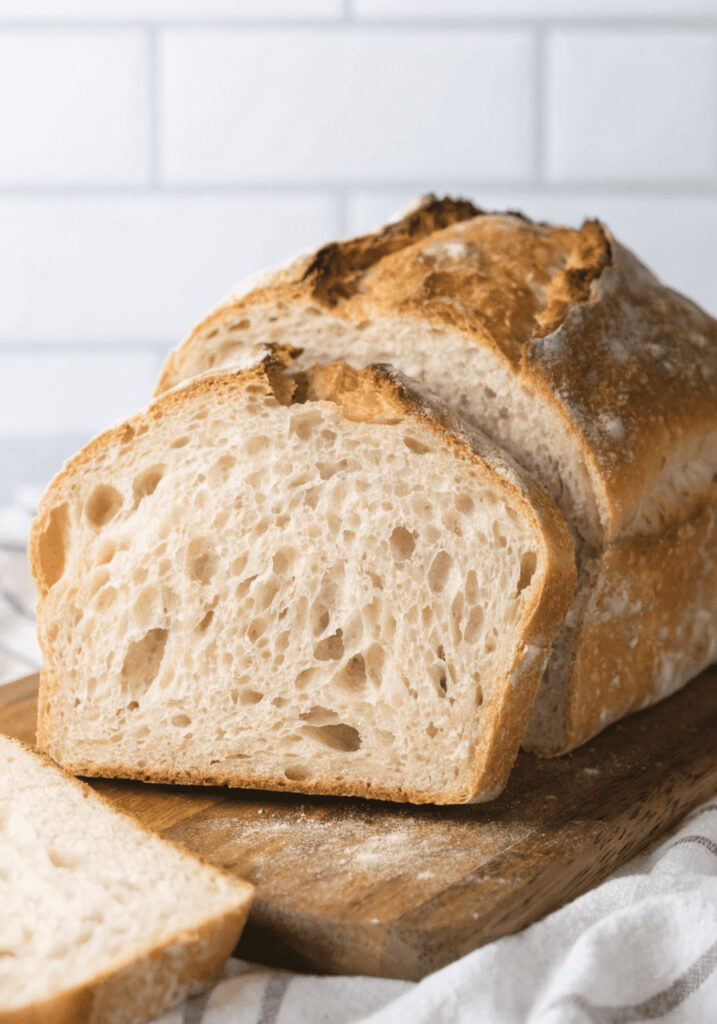
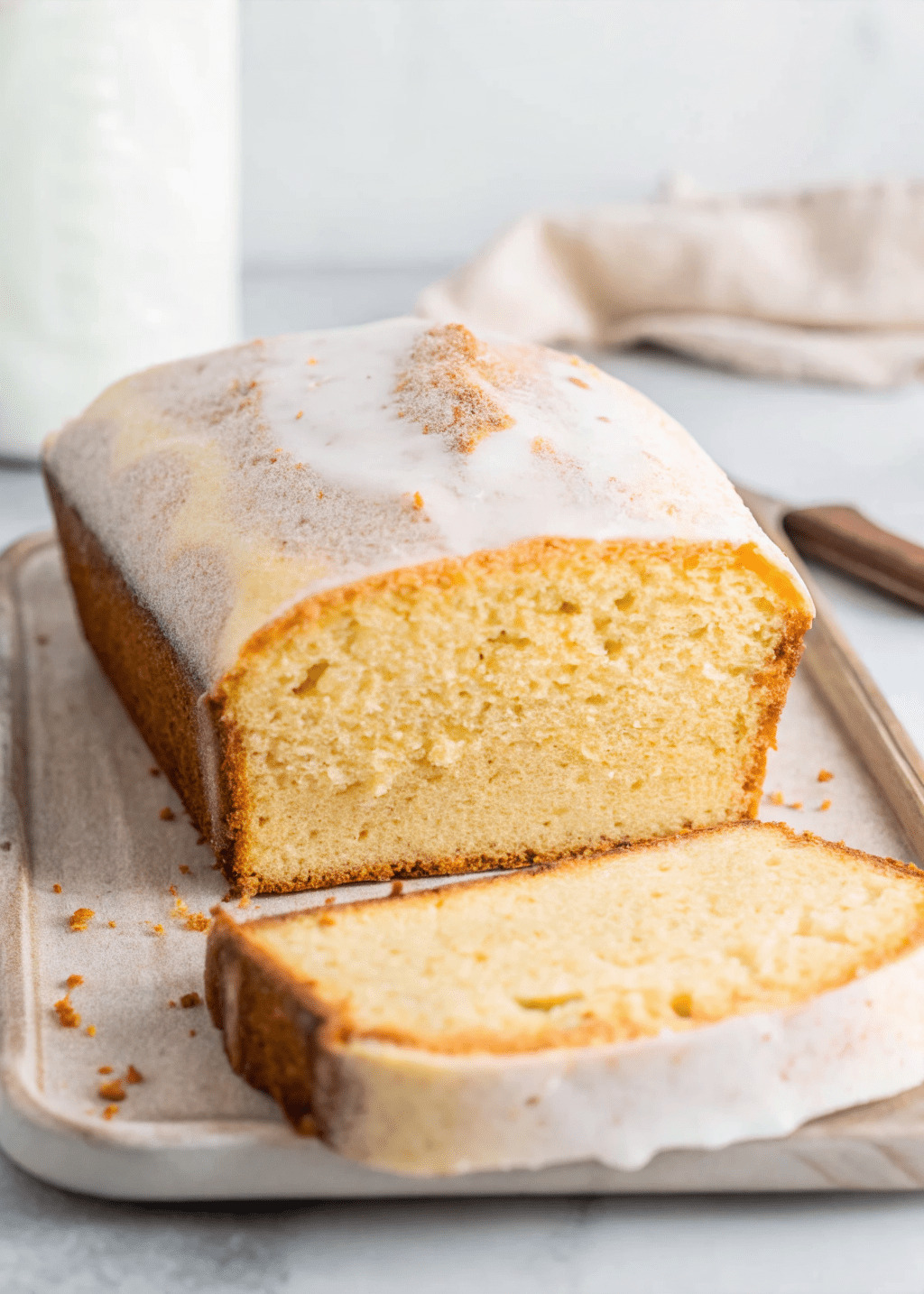
I like making sourdough bread when I want something rustic and homemade that fills the kitchen with that wonderful fresh bread aroma. The dough needs time to rise, but the result is a loaf with a crisp golden crust and a soft, airy inside with a slightly tangy flavor. It’s perfect for breakfast toast, sandwiches, or serving alongside soups and salads for a comforting meal. At home we enjoy it warm with a little butter or olive oil, and on the side we like drinks like coffee, a fruit smoothie, orange juice, or iced tea, which make the moment feel even more cozy and enjoyable.
Frequently Asked Questions
Can I use all-purpose flour instead of bread flour ?
Yes, all-purpose flour can be used, but bread flour usually gives better texture and structure.
Why is my sourdough dough sticky ?
Sourdough dough is naturally sticky because it contains more water than regular bread dough.
Can sourdough bread be frozen ?
Yes, sourdough bread freezes well, especially if you slice it before freezing.
Can I add extra ingredients to sourdough bread ?
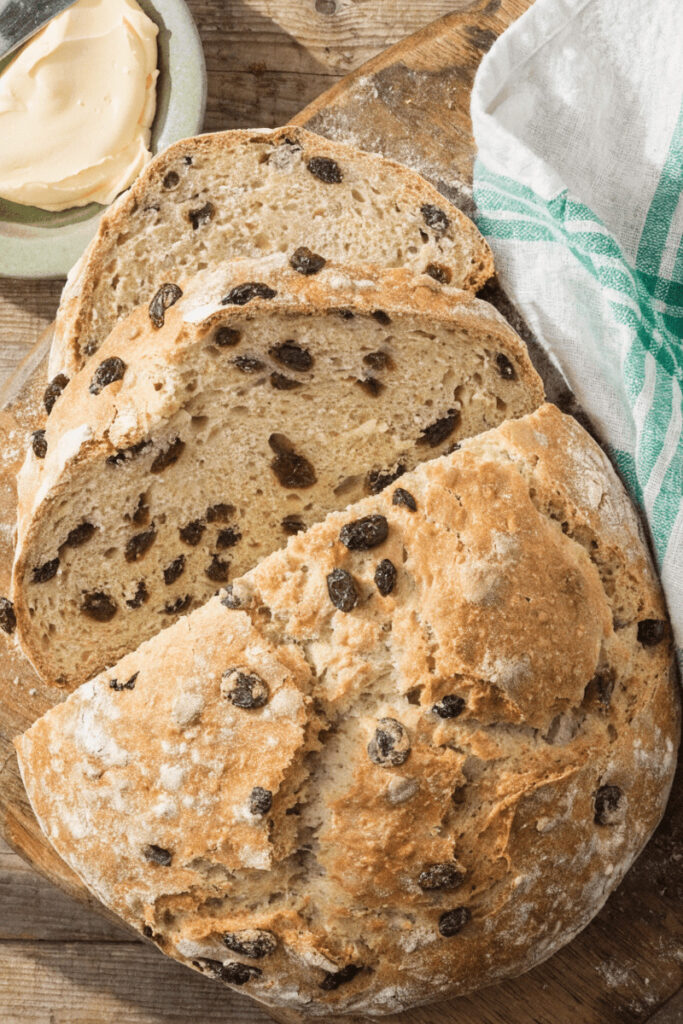
Yes, you can add ingredients like herbs, seeds, cheese, or olives for extra flavor.
Sourdough Bread Recipe
Course: Bread, Side DishCuisine: EuropeanDifficulty: Medium8
servings30
minutes45
minutes160
kcal7
hoursThis homemade sourdough bread recipe creates a crusty, golden loaf with a soft and chewy inside. Made with a natural sourdough starter, flour, water, and salt, this bread develops a rich flavor through slow fermentation. It is simple, wholesome, and perfect for sandwiches, toast, or serving with soups and meals.
Ingredients
1 cup active sourdough starter
3 cups bread flour
1 ¼ cups warm water
1 ½ teaspoons salt
Extra flour for dusting
Cornmeal or parchment paper for baking
Olive oil for greasing bowl
Directions
- In a large mixing bowl, combine the active sourdough starter with warm water and gently stir them together until the mixture becomes slightly cloudy and well blended, then slowly add the bread flour and salt while mixing with a wooden spoon or your hands until a sticky dough forms and all the flour is fully incorporated.
- Once the dough has come together, cover the bowl with a clean kitchen towel and allow the dough to rest for about 30 minutes, which helps the flour absorb the liquid and allows the gluten to start forming naturally, making the dough easier to handle later.
- After the resting time, begin the stretch-and-fold process by gently lifting one side of the dough and folding it toward the center, then rotating the bowl and repeating the same motion several times to help strengthen the dough without traditional kneading, and repeat this process two to three times over the next hour with short resting periods between each round.
- When the dough has become smoother and more elastic, cover the bowl again and allow the dough to rise at room temperature for about 4 to 6 hours, during which time the natural yeast in the sourdough starter will slowly ferment the dough, causing it to expand, develop bubbles, and build its signature tangy flavor.
- Lightly flour a clean surface and gently place the dough onto it, then carefully shape it into a round loaf by folding the edges toward the center and turning it over so the smooth side faces up, after which you should place the shaped dough into a floured bowl or proofing basket and allow it to rise again for about 1 to 2 hours while the oven preheats to 450°F (230°C).
- Carefully transfer the risen dough into a preheated Dutch oven or baking dish, score the top with a sharp knife to allow expansion during baking, then bake the bread covered for 20 minutes before removing the lid and continuing to bake for another 20–25 minutes until the crust becomes deep golden brown, and finally place the loaf on a cooling rack and allow it to cool completely before slicing.
Notes
- Always use an active and bubbly sourdough starter for the best rise.
- Allow enough fermentation time, as sourdough flavor improves with slow rising.
- Preheat your oven and baking pot well to create a crispy crust.
- If your kitchen is cold, place the dough near a warm appliance.
You can add this post to your favorite Pinterest board!






One Comment