White Bread

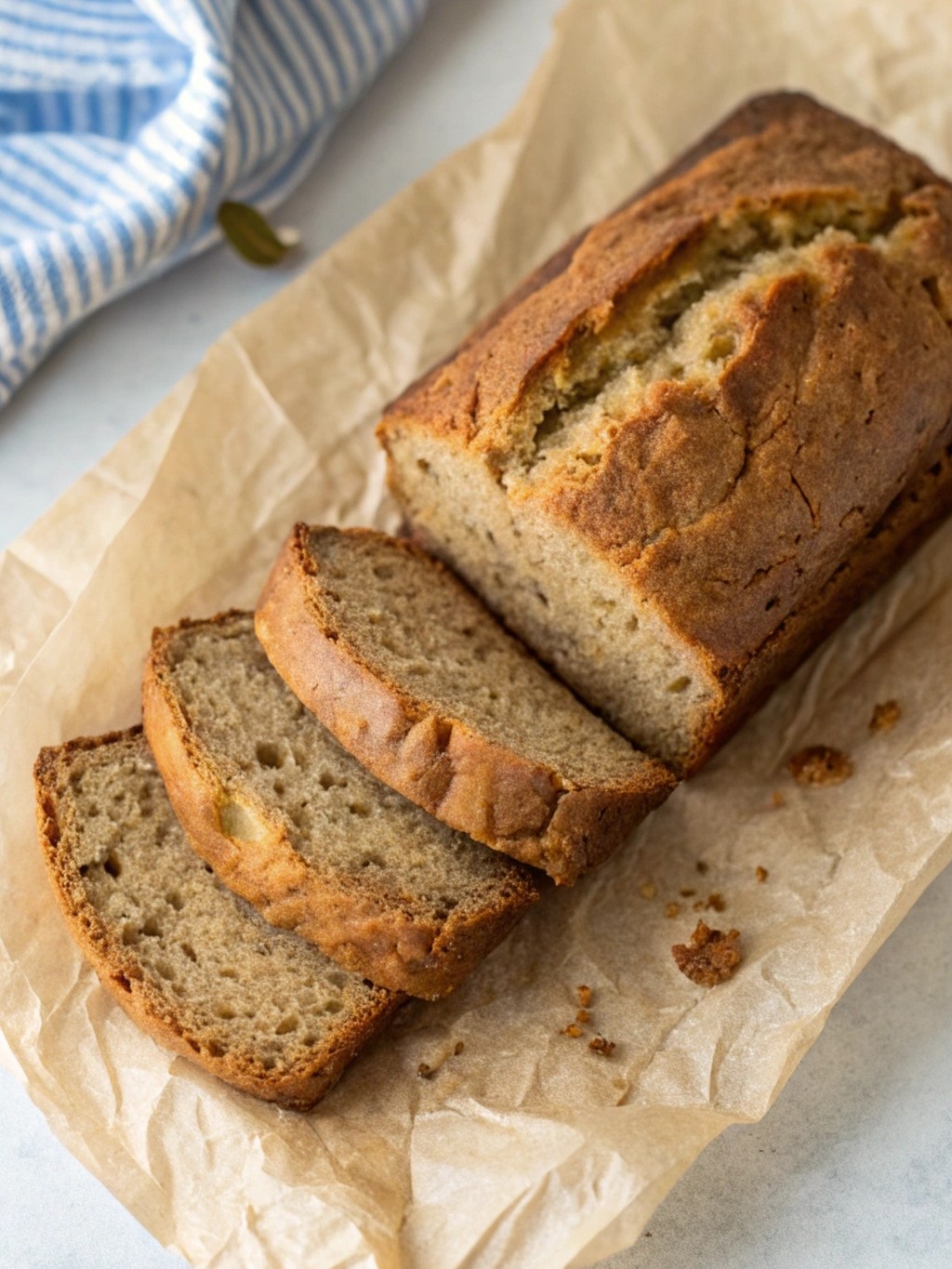
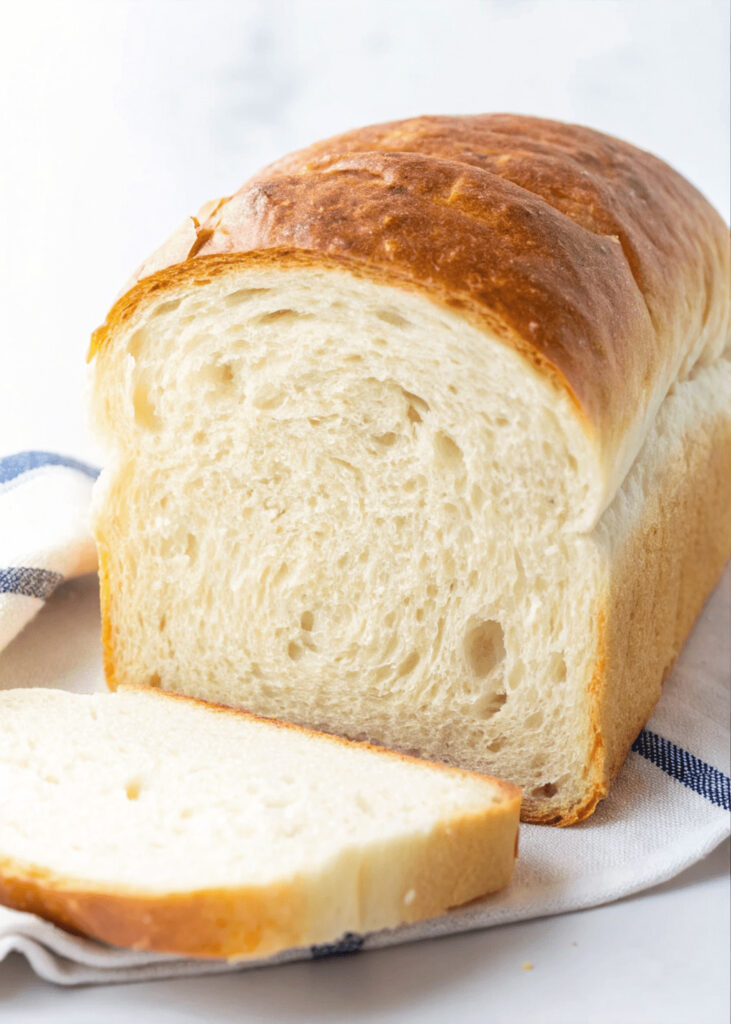
White bread is one of the most familiar and loved breads in the world. It is soft, fluffy, and light in color, with a mild taste that makes it perfect for almost anything. White bread is usually made from simple ingredients like flour, water, yeast, sugar, salt, and a little fat. When baked, it has a tender inside called the crumb and a thin, lightly golden crust on the outside. Because it is so soft and easy to chew, white bread is a favorite for kids and adults alike.
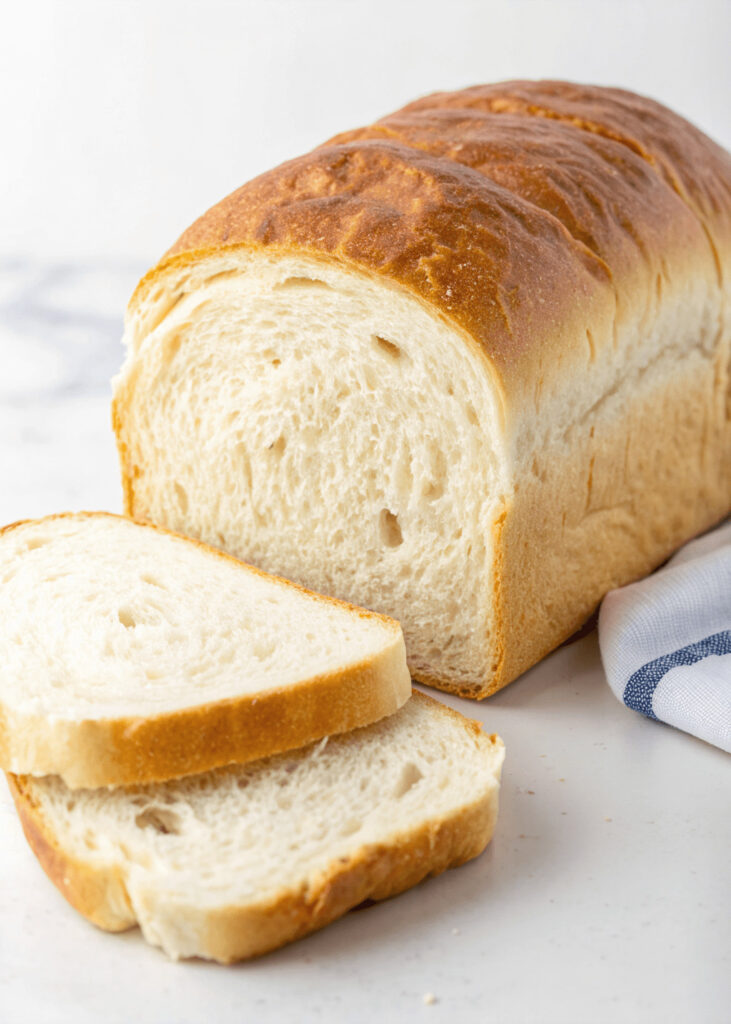
Another reason white bread is so popular is how versatile it is. You can use it for sandwiches, toast, grilled cheese, French toast, or even breadcrumbs. It works well with sweet toppings like jam and honey, and also with savory fillings like cheese, eggs, or meats. Homemade white bread is extra special because it smells amazing while baking and tastes fresher than store bought bread.
Why You Should Try This White Bread
Making white bread at home may sound tricky, but it is actually very simple and fun. This recipe uses basic ingredients you probably already have in your kitchen. When you bake your own bread, you know exactly what goes into it, and you can enjoy a loaf that is warm, soft, and freshly made. It is also a great recipe to try with kids, since kneading dough can feel like playing with soft clay.
Homemade white bread is cheaper than buying bakery bread, and it tastes better too. You can slice it thick or thin, toast it lightly or deeply, and enjoy it any way you like. Once you try this recipe, you may never want to go back to store-bought bread again.
Table of Contents
Ingredients for White Bread
Here’s everything you’ll need to make this White Bread
- 4 cups all purpose flour
- 1 packet 2 ¼ teaspoons active dry yeast
- 1 cup warm water not hot
- 2 tablespoons sugar
- 1 ½ teaspoons salt
- 2 tablespoons butter or oil
How to Make White Bread
Step One
First, pour the warm water into a large mixing bowl. Sprinkle the yeast and sugar over the water and gently stir. Let it sit for about 5–10 minutes until it becomes foamy on top. This means the yeast is active and ready to help the bread rise.
Step Two
Next, add the salt and butter or oil to the bowl. Slowly add the flour, one cup at a time, mixing well after each addition. When the dough becomes thick, use your hands to bring it together into a soft dough.
Step Three
Turn the dough out onto a lightly floured surface and knead it for about 8–10 minutes. Push the dough away from you, fold it back, and repeat. The dough should become smooth and stretchy. If it feels sticky, sprinkle a little more flour as needed.
Step Four
Place the dough into a lightly greased bowl and cover it with a clean kitchen towel. Let it rise in a warm place for about 1 hour, or until it doubles in size. When it has risen, gently punch it down to remove air bubbles.
Step Five
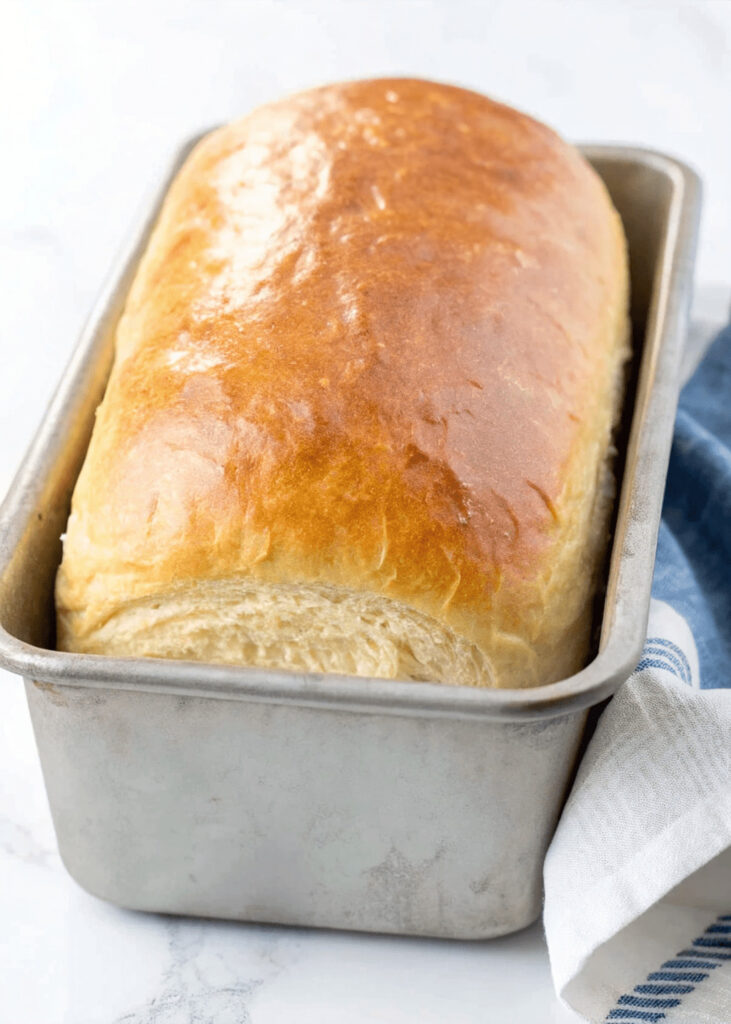
Shape the dough into a loaf and place it into a greased loaf pan. Cover again and let it rise for another 30 minutes. Preheat your oven to 350°F (175°C). Bake the bread for 30–35 minutes, until the top is golden brown and the loaf sounds hollow when tapped. Let it cool before slicing.
Kitchen Equipment Needed :
To make this Recipe, you’ll need:
- Large mixing bowl
- Measuring cups and spoons
- Wooden spoon or spatula
- Clean kitchen towel
- Loaf pan
- Oven
- Cooling rack
Tips for the Best White Bread
Make sure the water is warm, not hot, or the yeast will not work.
If your kitchen is cold, let the dough rise inside the oven with the light on (oven turned off).
You can use a stand mixer with a dough hook to save time kneading.
For softer bread, brush the top with melted butter right after baking.
Serving Suggestion
I love serving this wonderful White Bread with hot coffee or tea, and sometimes I like it with cold drinks like fruit juice or lemonade. I also sometimes like to spread it with jam, honey, or cheese.
Frequently Asked Question
Can I use instant yeast instead of active dry yeast ?
Yes, you can use instant yeast. You can mix it directly with the dry ingredients and skip the proofing step.
Can I make this bread without butter or oil ?
Yes, but the bread may be slightly drier and less soft.
Can I freeze white bread dough ?
Yes, you can freeze the dough after the first rise.
Can I use milk instead of water ?
Yes, milk makes the bread richer and softer.
White Bread
Course: Bread, Side DishCuisine: AmericanDifficulty: Easy10
servings15
minutes35
minutes300
kcal1
hour50
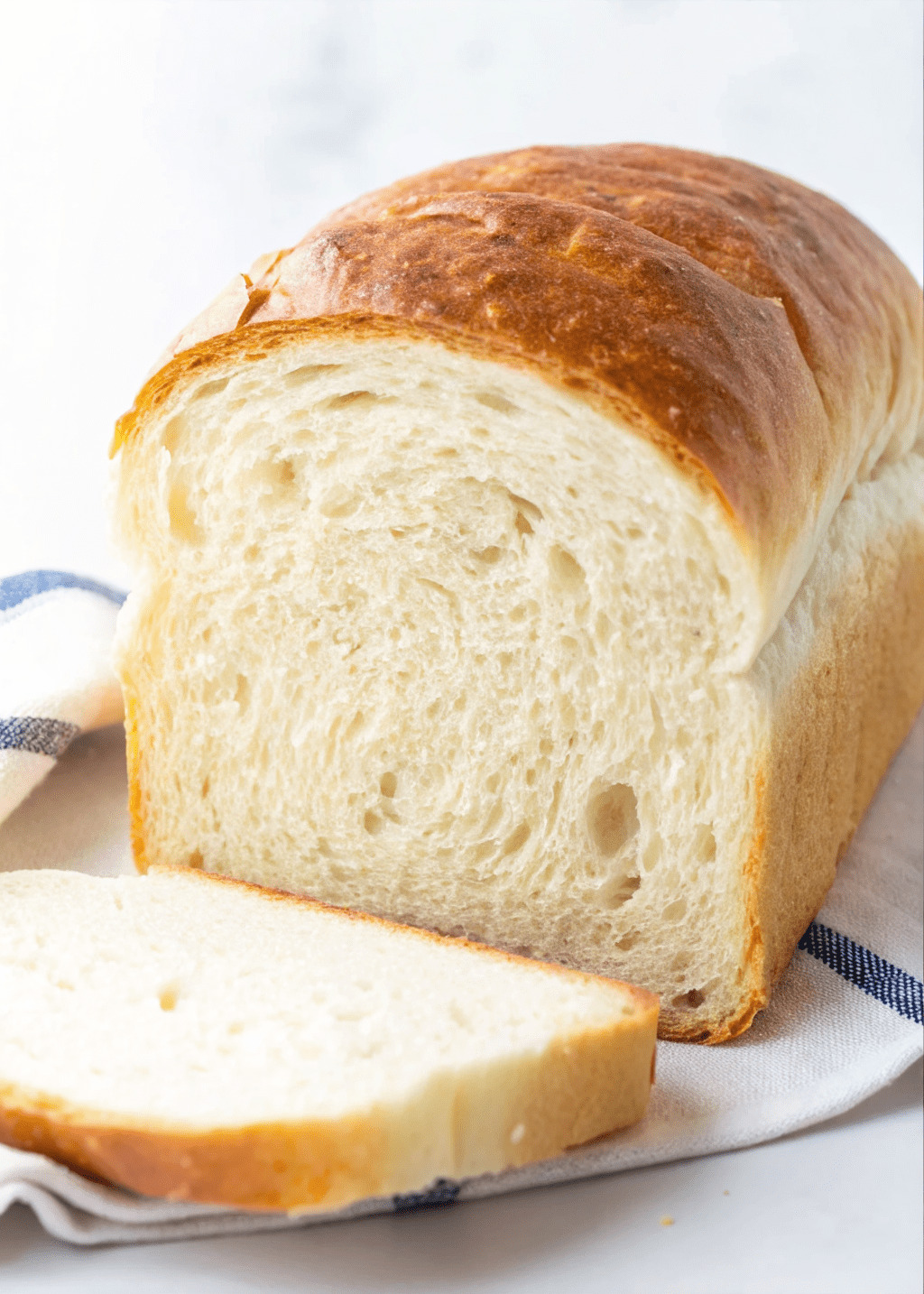
minutesSoft, fluffy homemade white bread made with simple ingredients. This easy recipe creates a light, tender loaf that’s perfect for sandwiches, toast, or enjoying warm with butter.
Ingredients
4 cups all purpose flour
1 packet 2 ¼ teaspoons active dry yeast
1 cup warm water not hot
2 tablespoons sugar
1 ½ teaspoons salt
2 tablespoons butter or oil
Directions
- First, pour the warm water into a large mixing bowl. Sprinkle the yeast and sugar over the water and gently stir. Let it sit for about 5–10 minutes until it becomes foamy on top. This means the yeast is active and ready to help the bread rise.
- Next, add the salt and butter or oil to the bowl. Slowly add the flour, one cup at a time, mixing well after each addition. When the dough becomes thick, use your hands to bring it together into a soft dough.
- Turn the dough out onto a lightly floured surface and knead it for about 8–10 minutes. Push the dough away from you, fold it back, and repeat. The dough should become smooth and stretchy. If it feels sticky, sprinkle a little more flour as needed.
- Place the dough into a lightly greased bowl and cover it with a clean kitchen towel. Let it rise in a warm place for about 1 hour, or until it doubles in size. When it has risen, gently punch it down to remove air bubbles.
- Shape the dough into a loaf and place it into a greased loaf pan. Cover again and let it rise for another 30 minutes. Preheat your oven to 350°F (175°C). Bake the bread for 30–35 minutes, until the top is golden brown and the loaf sounds hollow when tapped. Let it cool before slicing.
Notes
- Knead the dough until it feels smooth and elastic, not sticky.
- Let the dough rise in a warm, draft free place.
- If the dough sticks to your hands, add flour a little at a time.
- Store bread at room temperature, not in the fridge, for best texture
You can add this post to your favorite Pinterest board!